A wild Texas isolate of Trametes versicolor, collected in Austin and originally found growing on ligustrum (privet). This aggressive wood-decomposer is well suited for growers interested in mycoremediation, outdoor projects, or functional mushroom cultivation.
Turkey Tail is known for its strong enzymatic activity, helping break down tough hardwoods and complex organic materials. While not a primary culinary species, it is commonly used for teas, extracts, and ecological applications.
Fruiting Range: 55–75°F
Best Use: Indoor (cooler temps) or outdoor seasonal grows
A unique, locally adapted culture with real-world performance on invasive Texas hardwood.
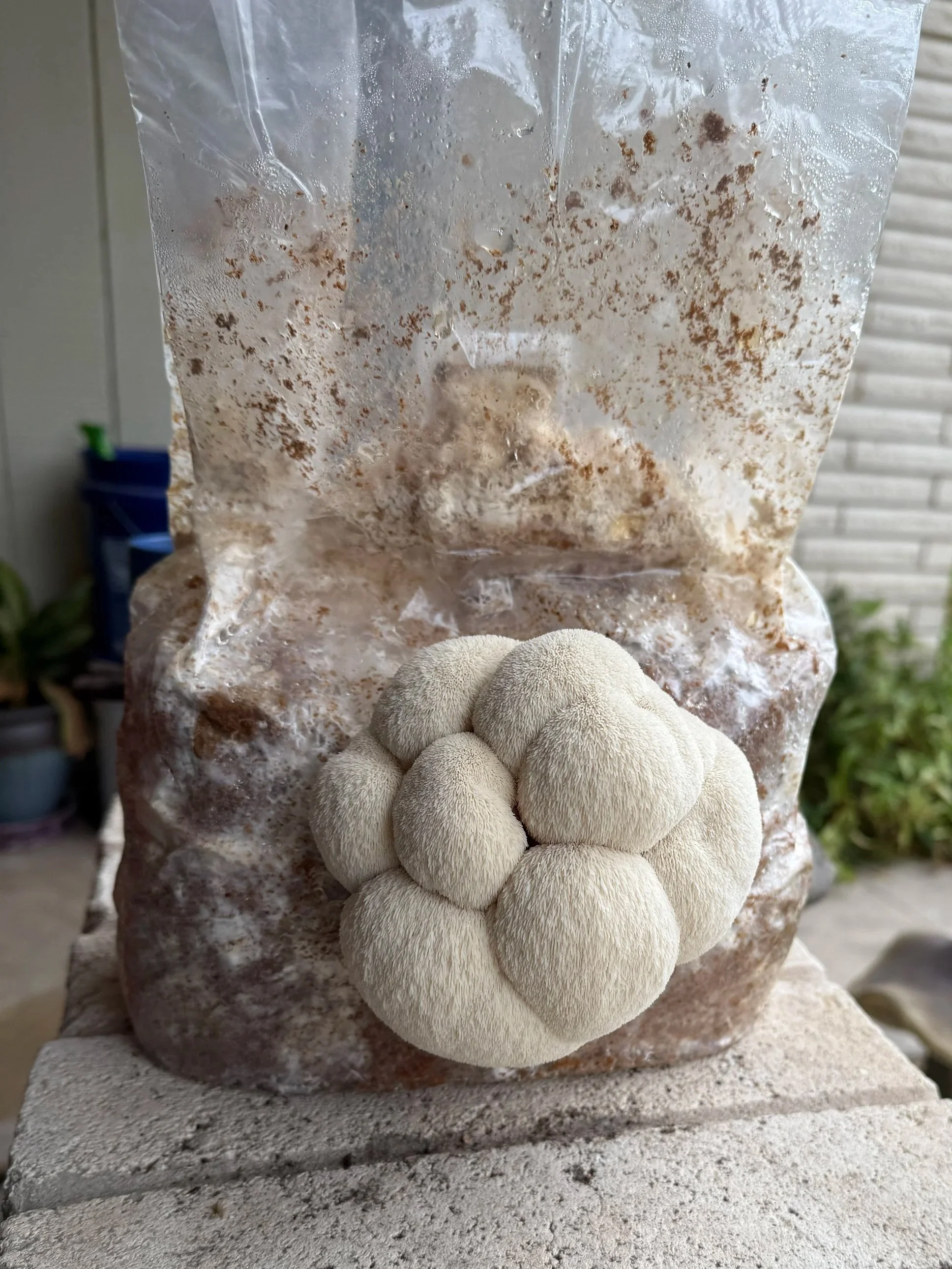
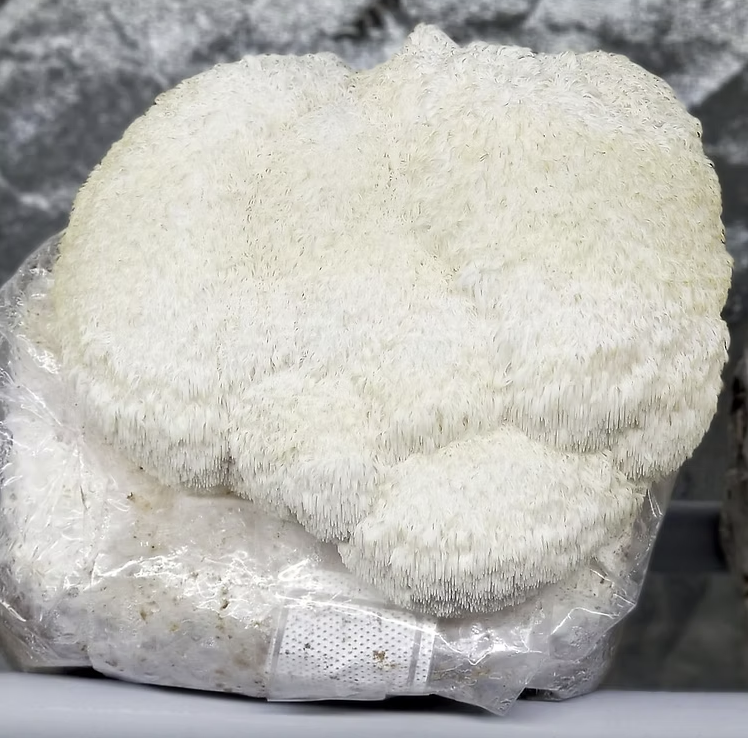
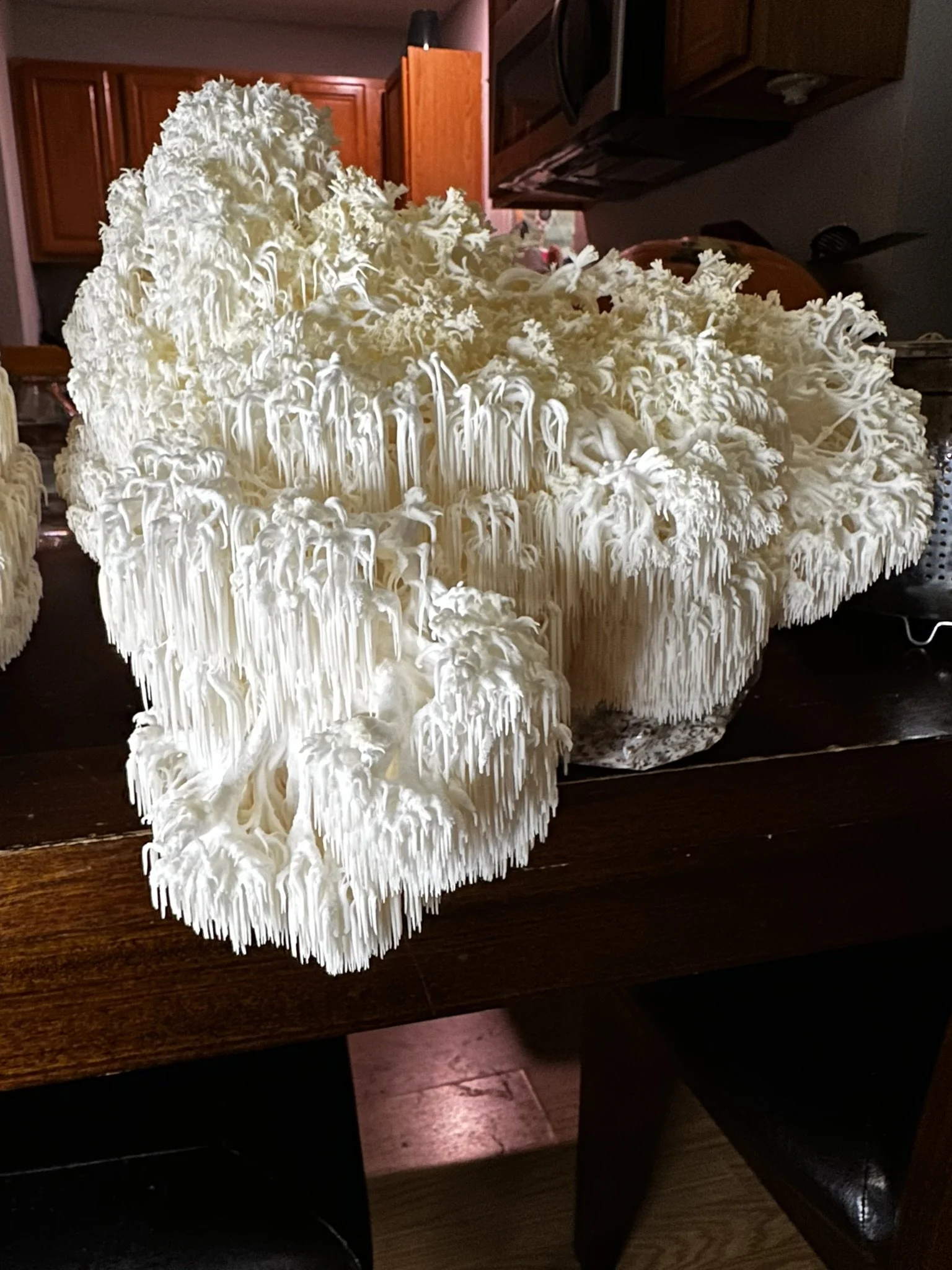
Hericium erinaceus
Lion’s Paw is a heat-tolerant Lion’s Mane variety that performs well across a wider temperature range than most Hericium strains. It produces dense, compact fruiting bodies and is a strong option for growers working in warmer indoor environments.
Why Grow It
More heat tolerant than typical Lion’s Mane
Dense, compact growth
Reliable indoor performance
Growing Conditions
Colonization: 70–75°F
Fruiting: 65–90°F
Best Substrate: Master’s Mix
Flavor & Use
Similar to traditional Lion’s Mane with a seafood-like texture often compared to crab or lobster.
Great for:
sautéed dishes
plant-based seafood recipes
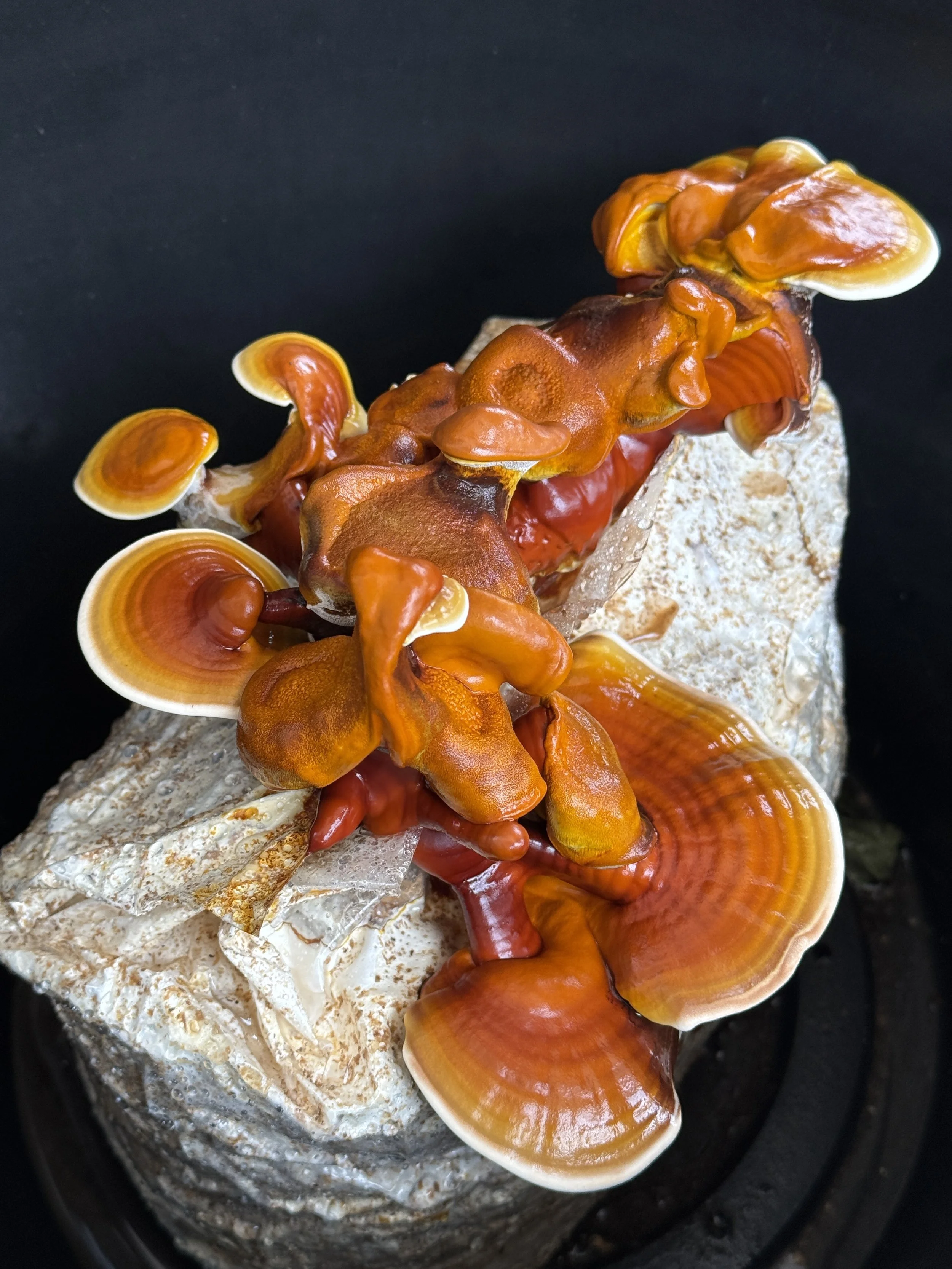
Ganoderma lucidum
Reishi (GL03) is a commercial strain from China, selected for strong growth, reliable fruiting, and consistent medicinal use. This strain is widely cultivated and known for producing high-quality fruiting bodies suitable for extracts.
Why Grow It
Proven commercial genetics
Strong, reliable growth
Ideal for medicinal use
Growing Conditions
Colonization: 70–80°F
Fruiting: 70–95°F
Best Substrate: Hardwood / Master’s Mix
Use
Reishi is not typically consumed fresh. It is commonly used for:
teas
tinctures
extracts
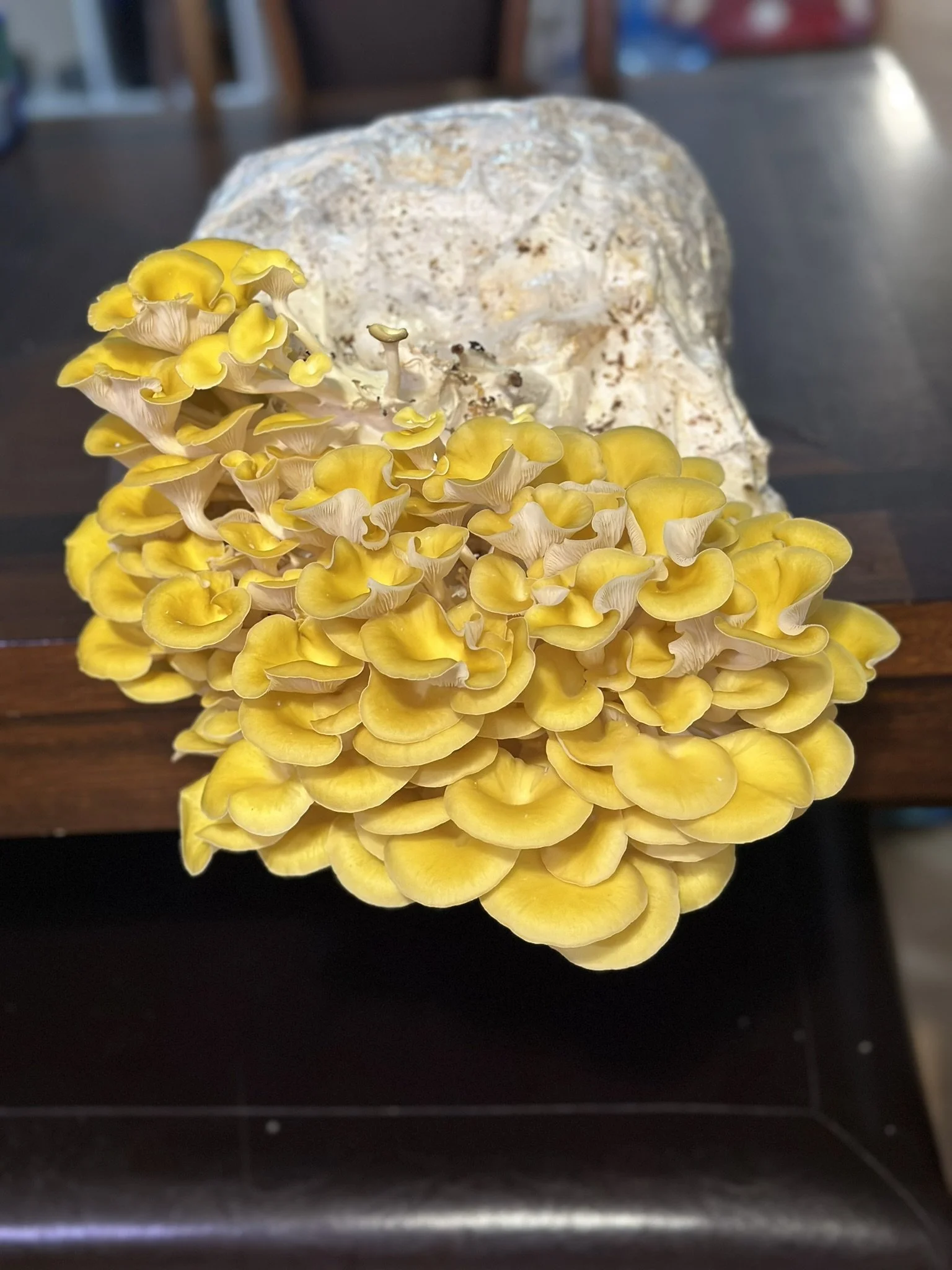
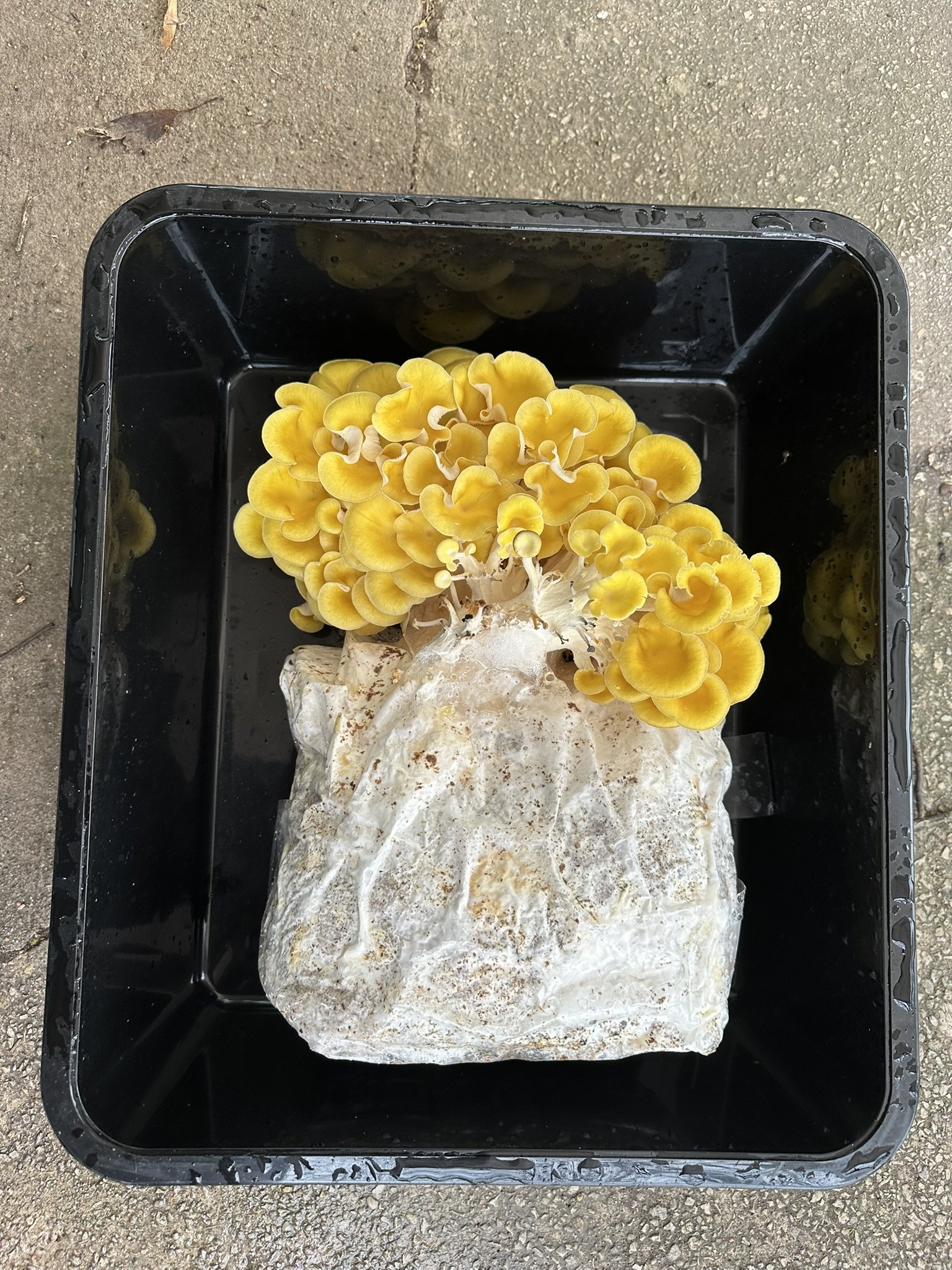
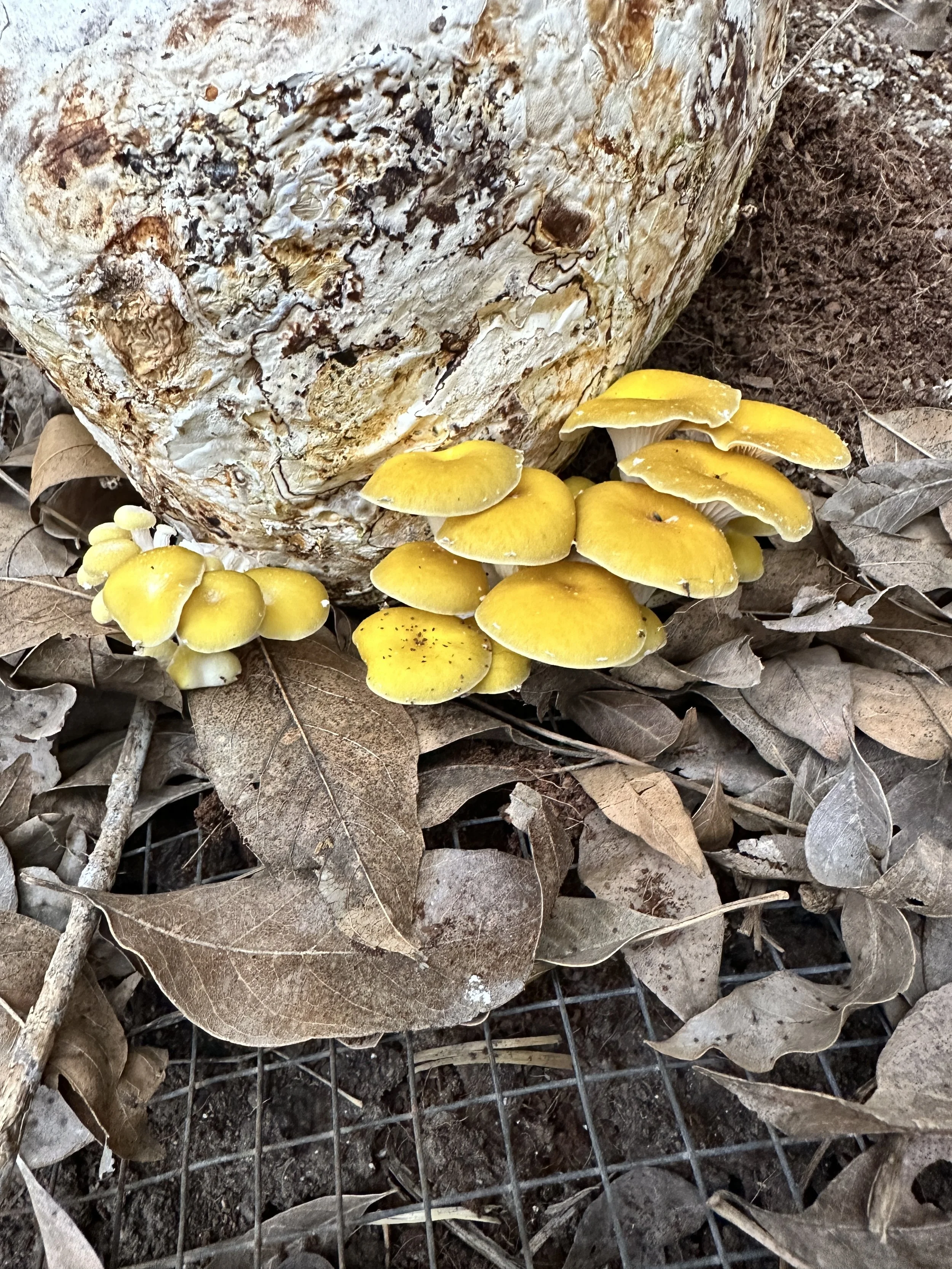
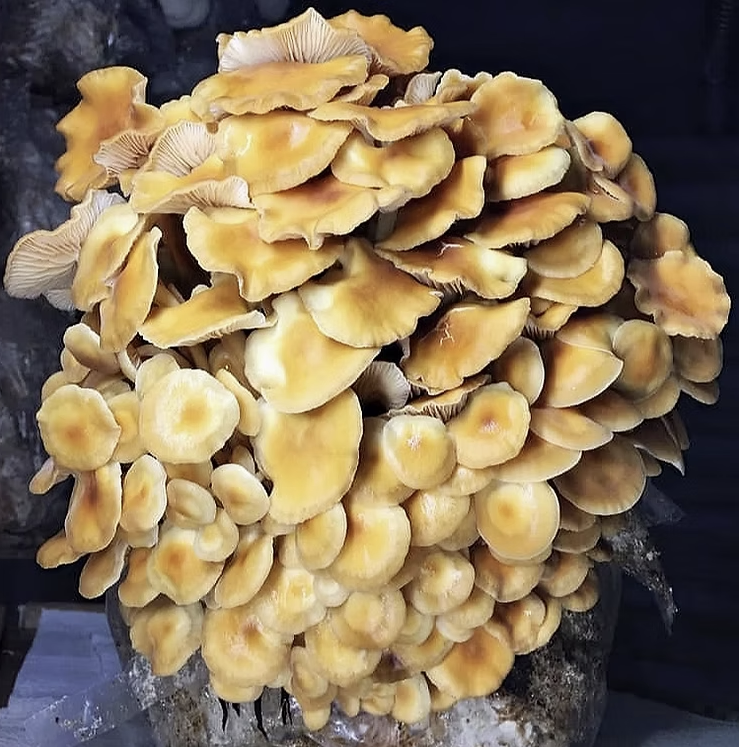
Pleurotus citrinopileatus
Golden oysters produce bright yellow cascading clusters and grow quickly in warm conditions. Slightly more delicate than other oysters, but very rewarding.
Why Grow It
Fast growth
Beautiful presentation
Strong warm-weather performer
Growing Conditions
Colonization: 75–85°F
Fruiting: 70–85°F
Best Substrate: Master’s Mix
Flavor & Use
Mild, slightly nutty flavor. Best used fresh (2–3 day shelf life). Great for stir fry and pasta.
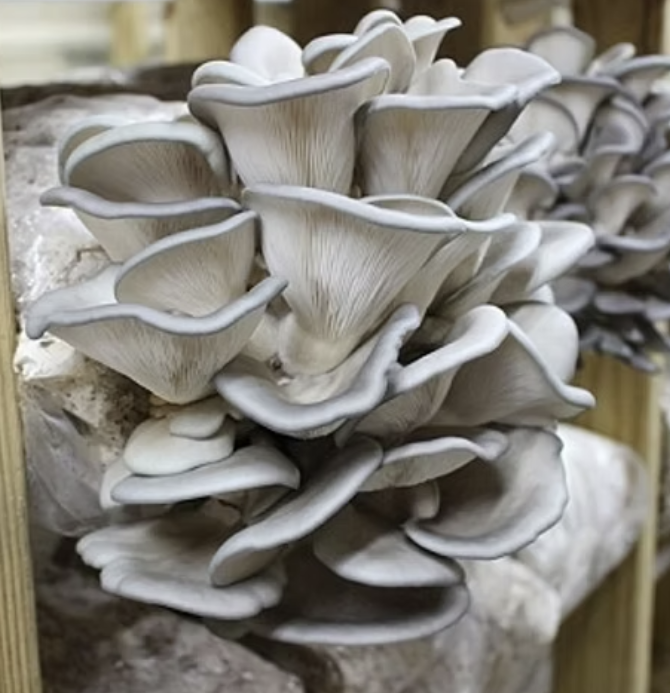
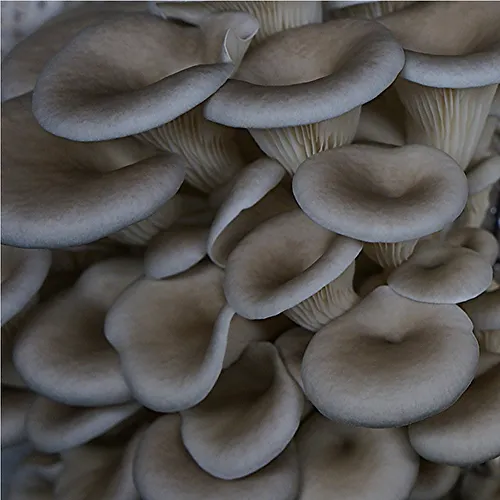
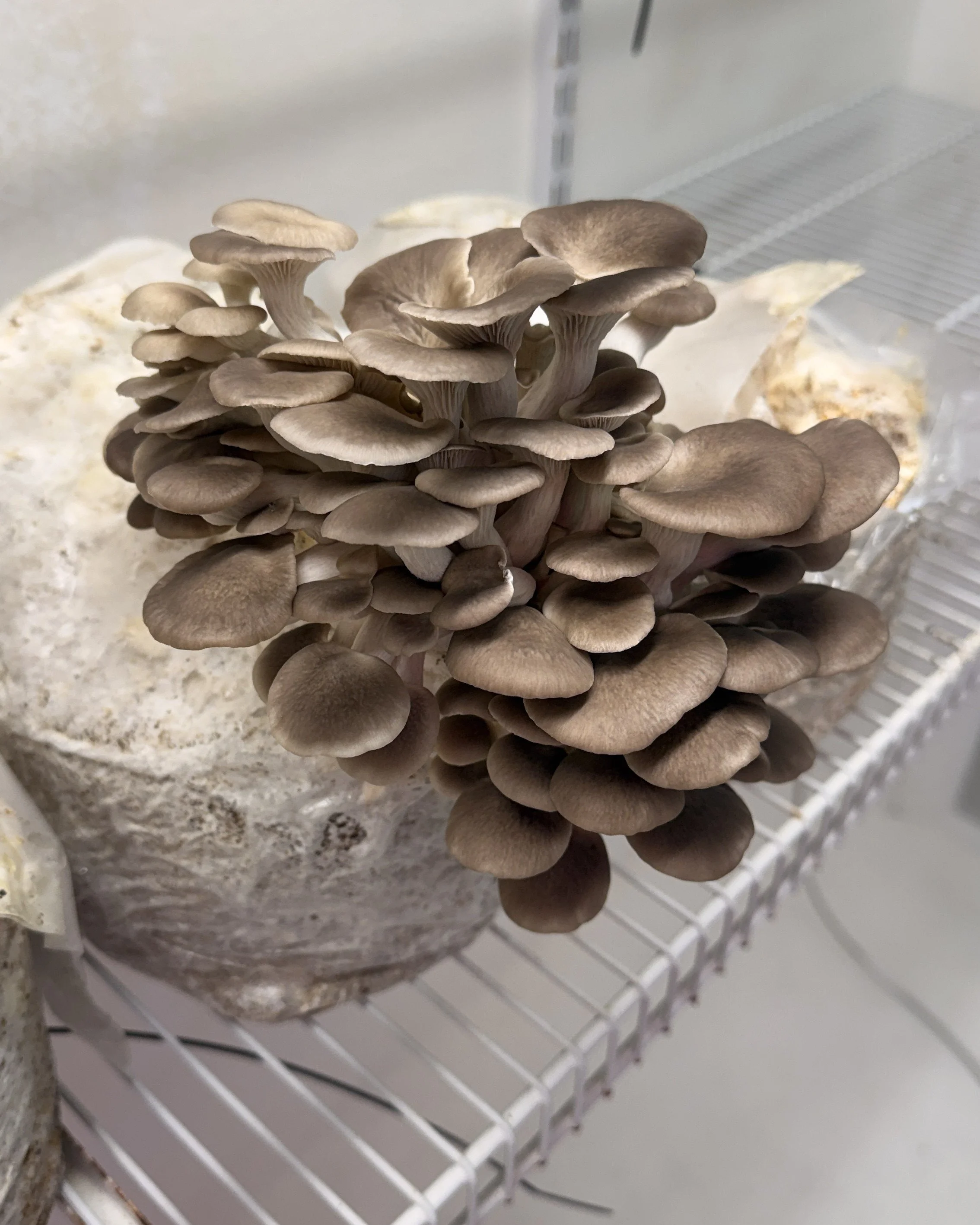
Pleurotus columbinus
Sky blues are a classic oyster variety known for their blue-gray coloration and strong yields.
Why Grow It
Beautiful color
Reliable production
Strong cluster formation
Growing Conditions
Colonization: 70–75°F
Fruiting: 65–78°F
Best Substrate: Master’s Mix
Flavor & Use
Classic oyster flavor. Great for stir fry and soups.
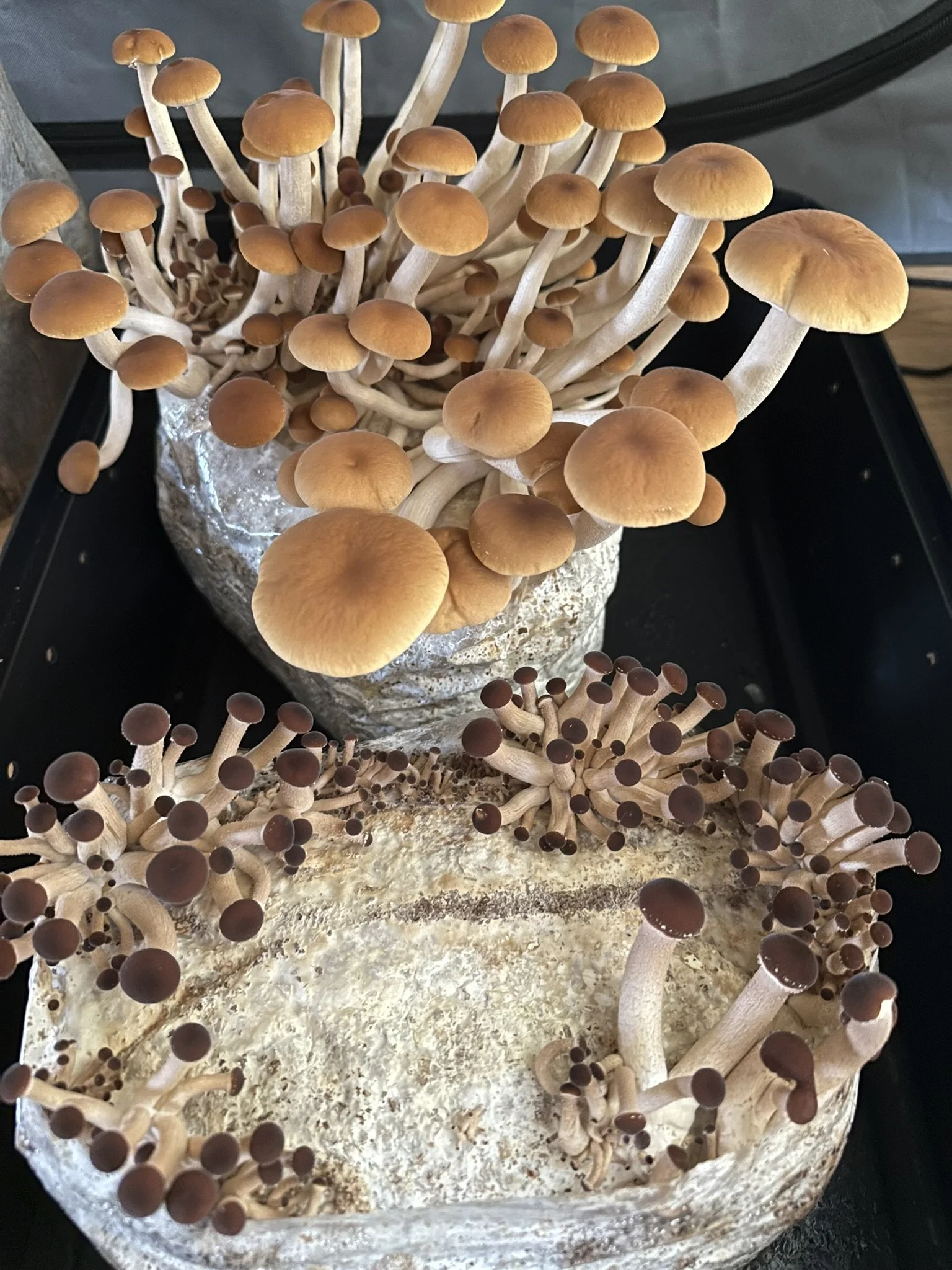
Flammulina velutipes
This wild enoki produces short stems and brown caps, unlike the grocery store version. Best suited for controlled indoor grows.
Why Grow It
Unique natural form
Wide temp tolerance
Indoor specialty grow
Growing Conditions
Colonization: 70–75°F
Fruiting: 40–85°F
Best Substrate: Master’s Mix
Flavor & Use
Mild, slightly nutty flavor. Great in soups and stir fry.
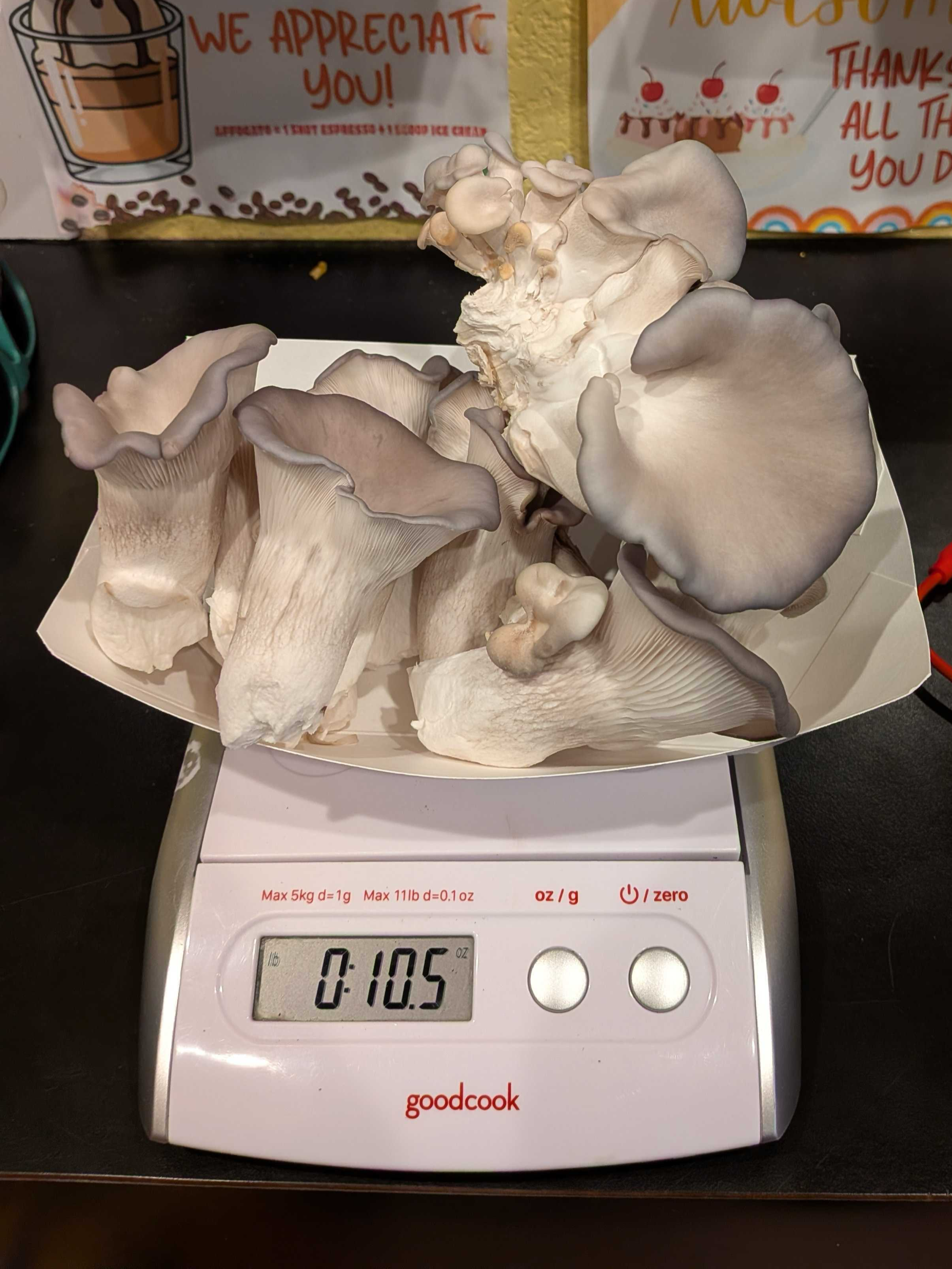
Pleurotus ostreatus
King Blues produce dense clusters with thicker stems and a firmer texture, making them excellent for cooking.
Why Grow It
Thick, meaty stems
Dense clusters
Strong yields
Growing Conditions
Colonization: 70–75°F
Fruiting: 65–75°F
Best Substrate: Master’s Mix
Flavor & Use
Rich, savory flavor that holds up well in cooking.
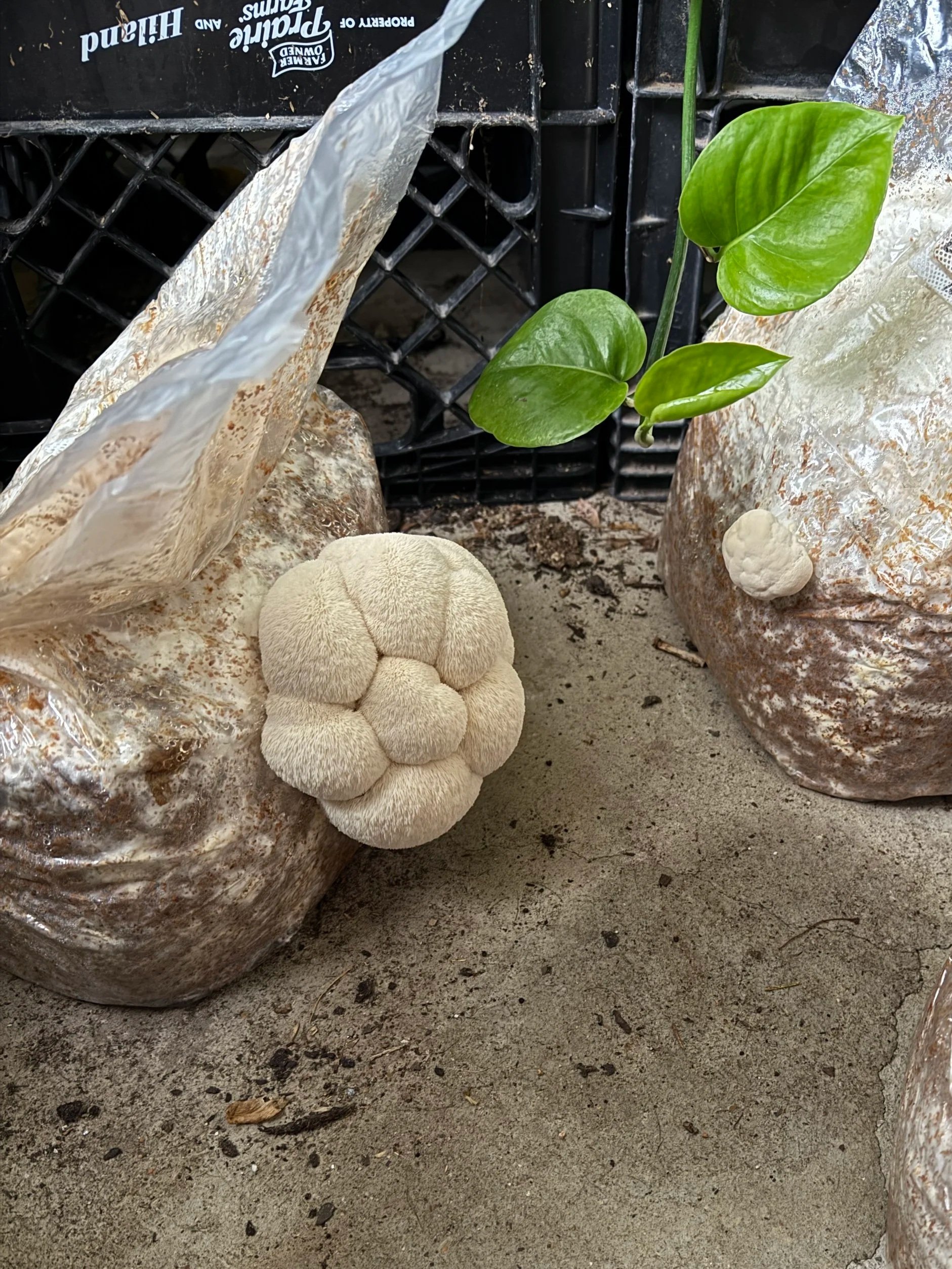
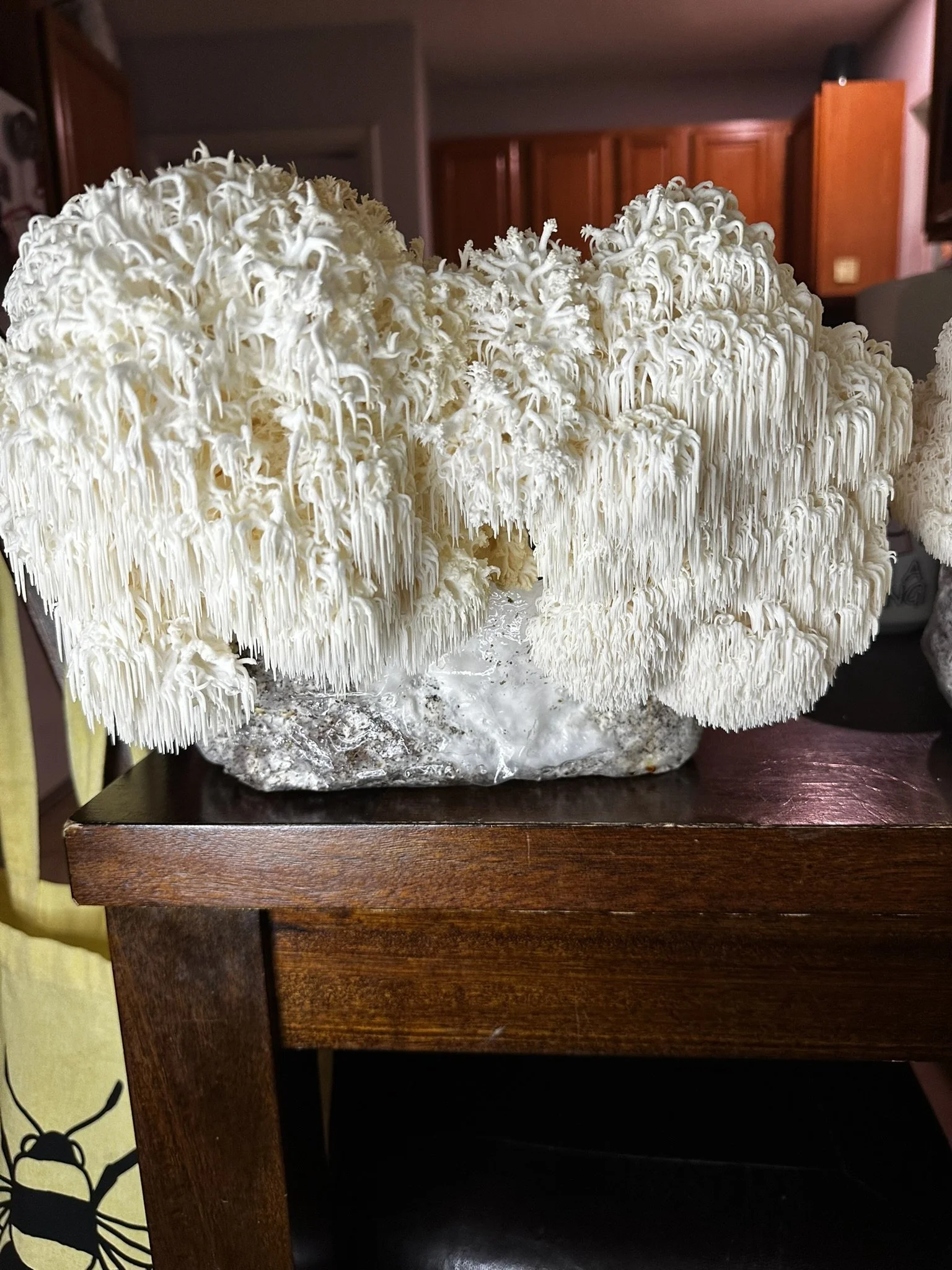
Hericium erinaceus
Lion’s Beard is our house favorite, known for its brain-supporting benefits and seafood-like texture. We grow it regularly and make our own capsules for daily use.
Why Grow It
Functional mushroom
Unique texture
Highly valued medicinally
Growing Conditions
Colonization: 70–75°F
Fruiting: 65–80°F
Best Substrate: Master’s Mix
Flavor & Use
Texture similar to crab or lobster. Great for plant-based seafood dishes.
Pleurotus pulmonarius
Phoenix oysters are a reliable warm-weather producer, forming large clusters and growing quickly across a wide temperature range.
Why Grow It
Handles variable conditions
Fast and reliable
Strong yields
Growing Conditions
Colonization: 75–85°F
Fruiting: 50–82°F
Best Substrate: Master’s Mix
Flavor & Use
Mild flavor with firm texture. Great all-purpose cooking mushroom.
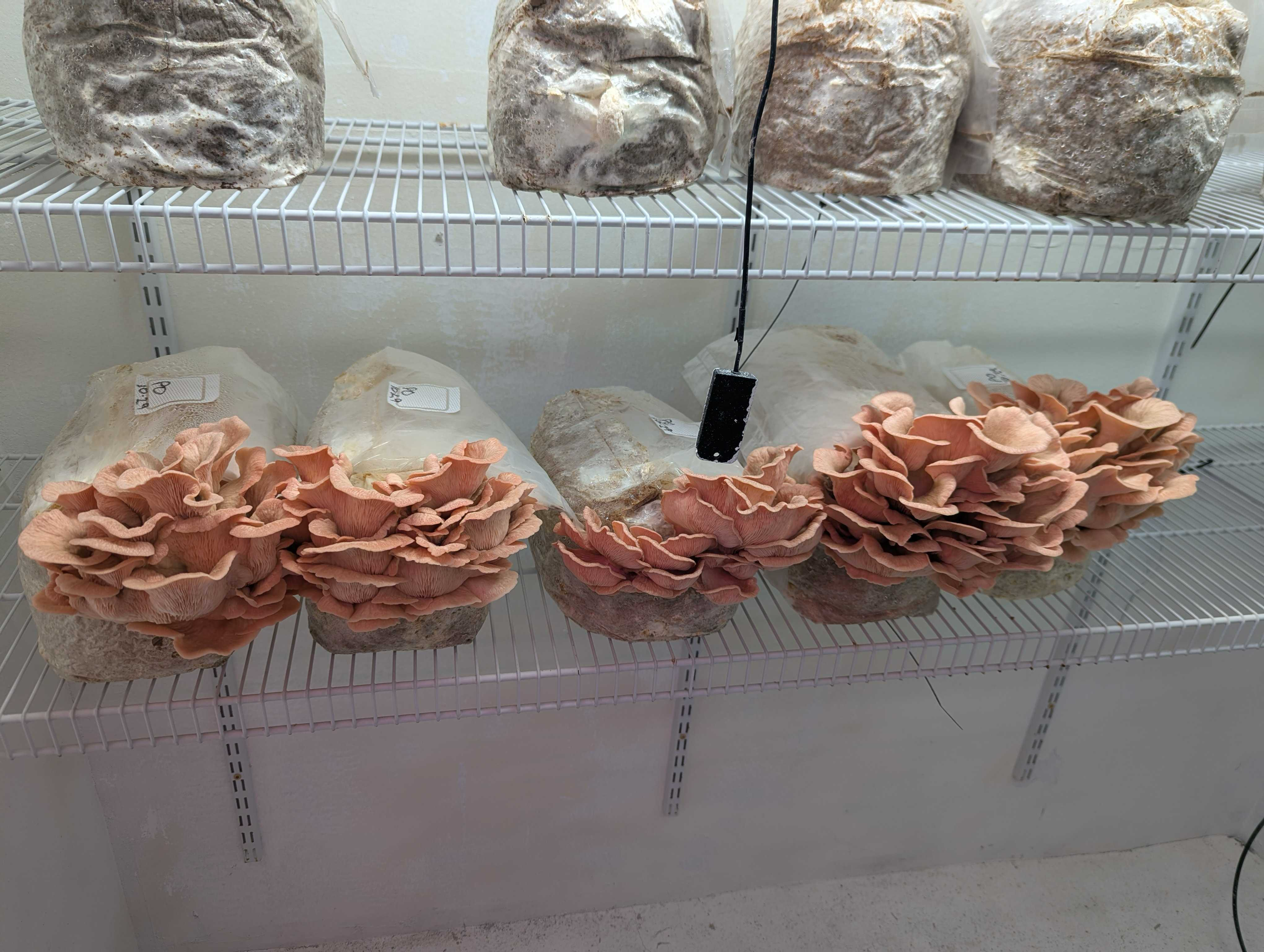
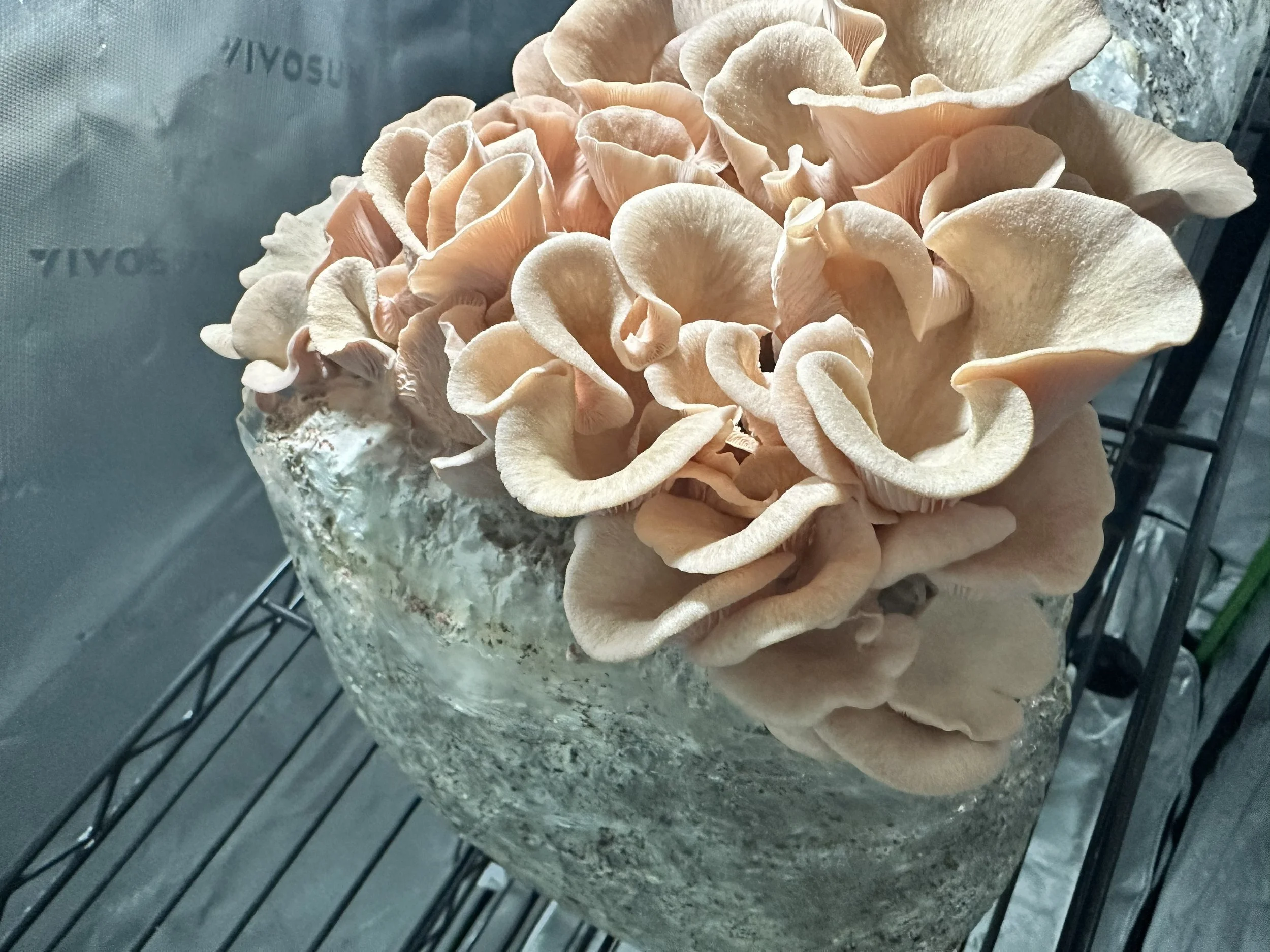
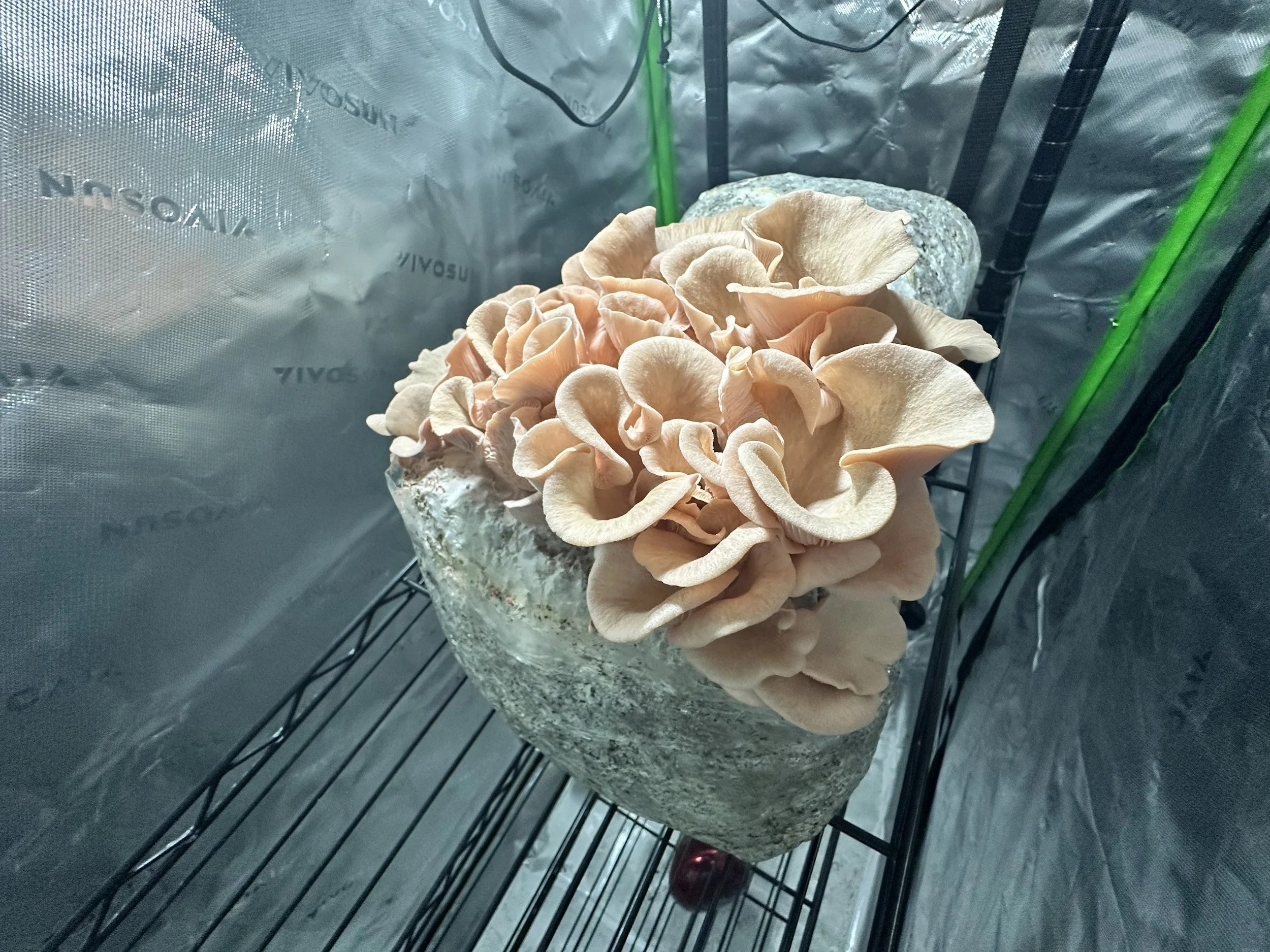
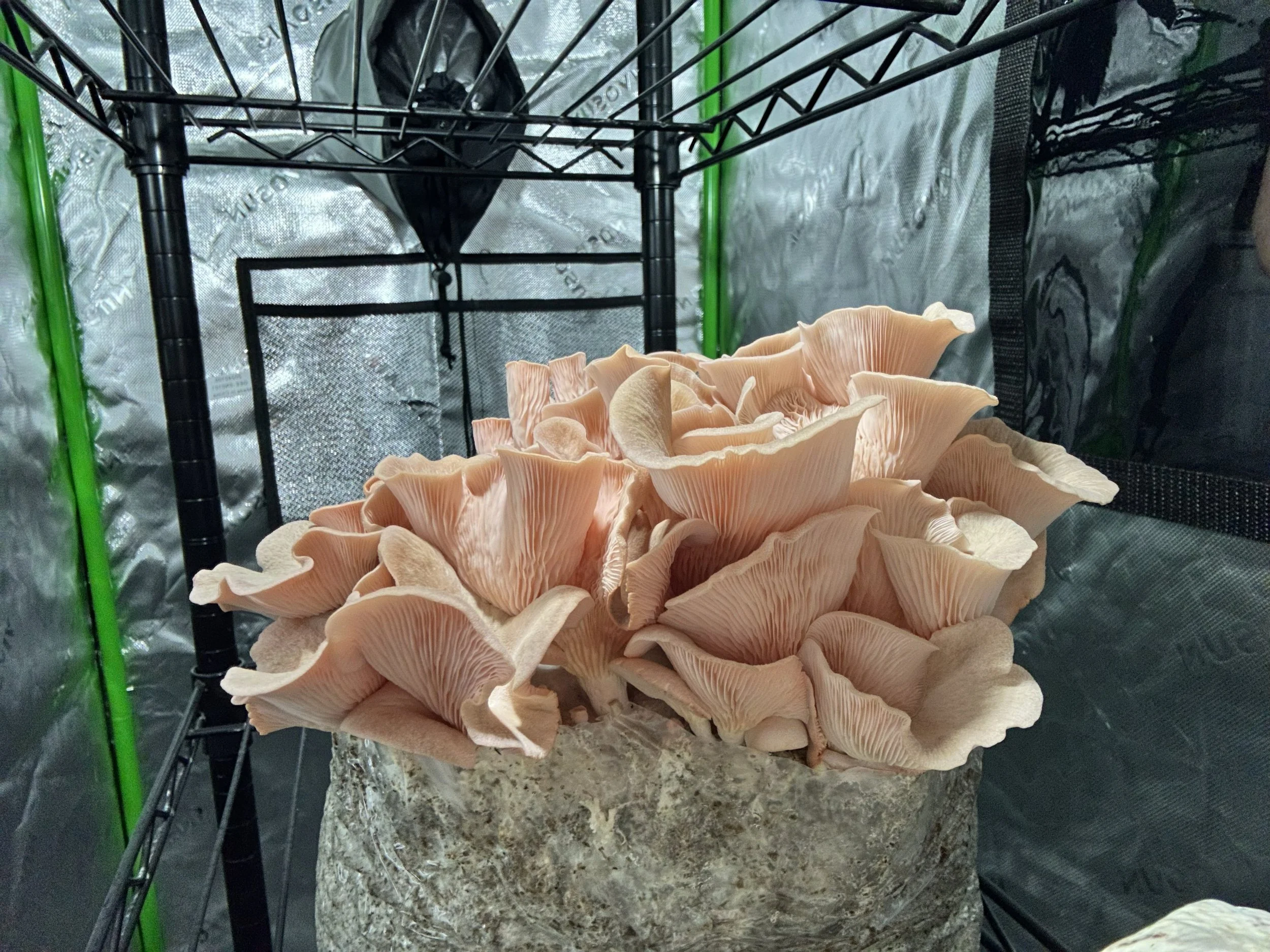
Pleurotus djamor
Pink oysters are one of the fastest and easiest mushrooms to grow, making them perfect for beginners and warm-climate growers. This strain is extremely aggressive and thrives in high temperatures.
Why Grow It
Extremely fast colonization
Very heat tolerant
Reliable indoor performance
Growing Conditions
Colonization: 70–85°F
Fruiting: 70–98°F
Best Substrate: Master’s Mix
Flavor & Use
Seafood-like flavor when crisped. Great for stir fry, tacos, and sautéed dishes.
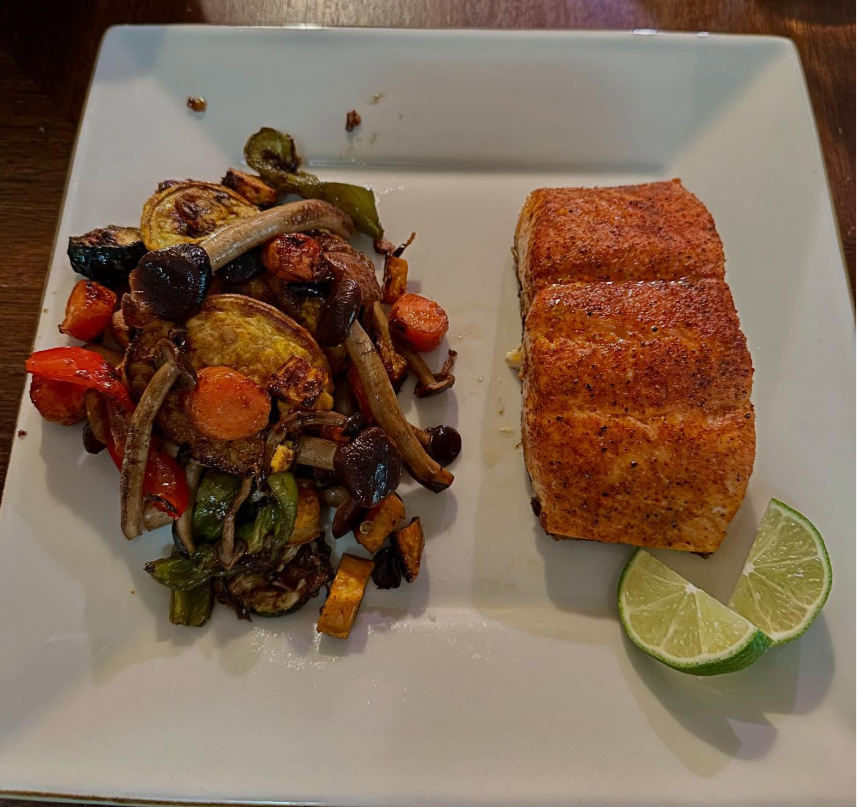
Agrocybe aegerita (Velvet Strain)
Velvet Pioppino is a premium gourmet mushroom known for its deep brown caps, velvety stems, and rich, nutty flavor. This strain produces beautiful, uniform clusters and is especially popular in high-end culinary use.
At Texas Toadstools, this is one of our favorite mushrooms to grow and eat, especially in stir fry and sautéed dishes.
Why Grow It
Excellent flavor and texture
Dense, attractive clusters
Strong performer on supplemented hardwood
Growing Conditions
Colonization: 70–75°F
Fruiting: 60–75°F
Best Substrate: Master’s Mix
Flavor & Use
Rich, nutty, and slightly earthy with a firm bite.
Perfect for:
stir fry
sautéed dishes
pasta
risotto
Holds texture extremely well during cooking.
No results match your search. Try removing a few filters.